 Cambridge Learn
How to Choose a UK Summer School: Courses, Ages and Settings Compared
Reviewed by the Cambridge Learn editorial team · Last reviewed: 2026-11-23
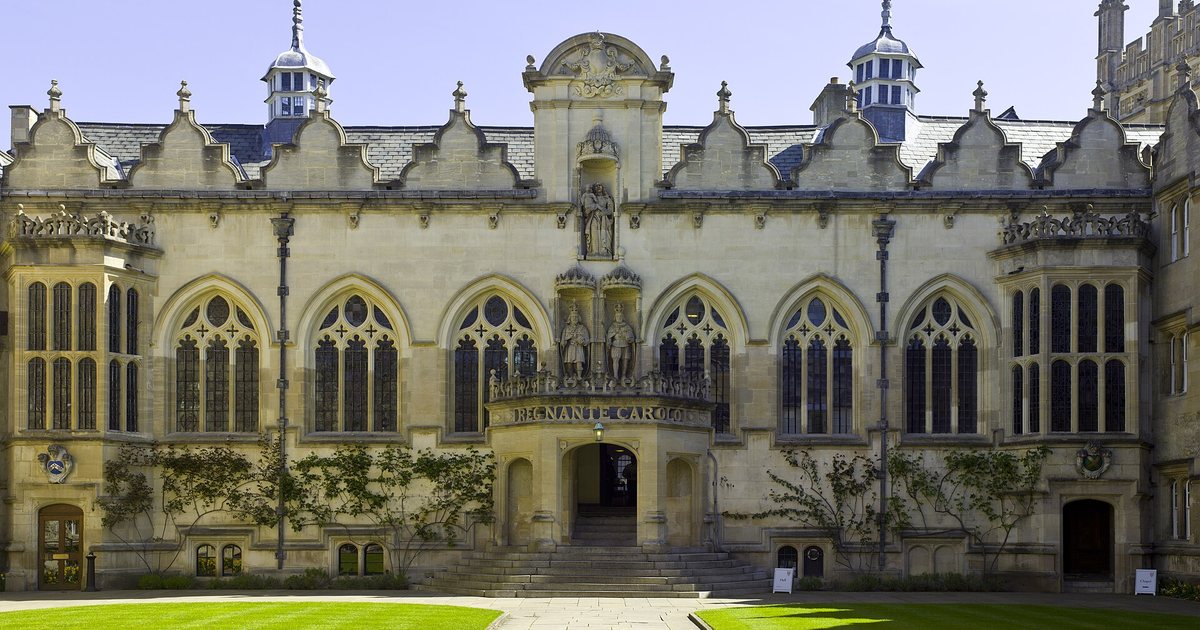
Image: Godot13 / Wikimedia Commons (CC BY-SA 4.0)
Most UK summer schools look alike in a brochure: lessons in the morning, activities in the afternoon, an excursion at the weekend. The real differences sit in four places — what the course is for, the age range, the setting and the rooms. This guide compares them across the 14 UK schools Cambridge Learn works with, so you can narrow the list to two or three before you ask for dates.
Step 1: start with the goal, not the town
Decide what your child should come home with. That single answer rules out more schools than any other question.
| Goal | Course | What it involves | Where |
|---|---|---|---|
| Better everyday English and a first taste of the UK | General English | 15 hours of lessons a week after a placement test, full board, 1–2 excursions a week and supervised evening activities | Most of our UK schools |
| Fast progress on a short stay | Intensive English | 23 hours of lessons a week instead of 15, ages 14–17, alongside the normal activity programme | Canterbury |
| A specific IELTS band score | IELTS Preparation | Exam-focused lessons for older students, taught alongside the school’s General English and STEM courses | Northampton |
| A taste of a university subject | Academic enrichment | A subject course taught in English (Medicine, Law, Engineering, Business and more), ages 13–18, 2, 4 or 6 weeks | University of Oxford |
| Football with English | Football + English | 15 hours of English and 15 hours of football coaching a week, ages 8–17 | Oakham |
One distinction matters more than it first appears. Academic enrichment is not an English course. On our Oxford programme students study a subject in English with three classes a day — a lecture, a seminar with debate and an applied session — and a two-week course includes about 40 hours of academic teaching. It suits students who already speak English confidently and are thinking about degree choices. If the main aim is to improve English, General English or Intensive English is the better fit. Read how academic enrichment works before comparing it with a language course.
Step 2: check the age range
Age bands are firm, and they differ more than parents expect. For the youngest students (8–10), the options are Bournemouth Collegiate, Oakham and Red Star Football from 8, with several university and boarding-school centres taking students from 10. Students aged 14–17 can join any of our UK schools. At 18, some schools accept students only as part of a group whose members return to secondary school the following September, so mention the exact age when you enquire. Academic enrichment at Oxford is taught in two age groups, 13–15 and 16–18.
For a first trip abroad, age is only half the question — read our guide to a first summer school abroad: age, safety and supervision.
Step 3: choose the setting
The same 15-hour General English course feels very different depending on where it runs:
- University campus (Oxford, Brunel Uxbridge, Queen Mary in Mile End, Westminster in Harrow, Edinburgh Pollock Halls): students live and study on a real university site, usually in ensuite rooms — a good preview of student life for older teenagers.
- City-centre school (Guildhouse in Bloomsbury, CATS Cambridge): the city is the classroom. In Bloomsbury travel cards are included for the whole stay; in Cambridge, punting and walking tours are part of the programme.
- Boarding school in the countryside (Oakham, St Mary's Ascot, Culford, Bosworth in Northampton): large grounds, on-site sport and a close community, with city visits as excursions.
- By the sea (Bournemouth Collegiate): a five-minute walk from the beach, with an indoor pool for wet days.
If you are still choosing between towns, our guide to choosing a summer school location and Oxford or Cambridge comparison go into each place in more detail.
Step 4: decide on the room type
- Residential: rooms usually shared, with shared bathrooms — the most sociable option.
- Ensuite: a private bathroom, typical of the university campuses and of the city schools' residences.
- Homestay: living with a host family. Canterbury offers it alongside residential places (homestay from age 12); Guildhouse in London offers homestay for group bookings only.
All 14 UK schools at a glance
| School | Town | Ages | Rooms | Setting |
|---|---|---|---|---|
| Oxford Royale — University of Oxford | Oxford | 13–18 | Residential (college) | University campus |
| CATS Cambridge | Cambridge | 12–18 | Residential ensuite | City-centre school |
| Guildhouse School London | London (Bloomsbury) | 12–18 | Residential ensuite | City-centre school |
| Brunel University — London Uxbridge | London (Uxbridge) | 10–18 | Residential ensuite | University campus |
| Queen Mary University of London | London (Mile End) | 12–18 | Residential ensuite | University campus |
| University of Westminster, Harrow | London (Harrow) | 10–17 | Residential ensuite | University campus |
| Bournemouth Collegiate School | Bournemouth | 8–17 | Residential or ensuite | Boarding school by the coast |
| Stafford House & The Worthgate School | Canterbury | 11–18 | Residential or homestay | City school, two campuses |
| Bosworth Independent School | Northampton | 11–17 | Residential | Boarding school |
| Oakham School | Oakham, Rutland | 8–17 | Residential | Countryside boarding school |
| Michael Owen's Red Star Football School | Oakham, Rutland | 8–17 | Residential | Countryside boarding school |
| St Mary's School Ascot | Ascot | 10–17 | Residential | Countryside boarding school |
| Culford School | Bury St Edmunds | 10–17 | Residential | Countryside boarding school |
| University of Edinburgh, Pollock Halls | Edinburgh | 10–17 | Residential ensuite | University campus |
Ages and room types are taken from each school's page; open a school for its weekly programme, facilities and excursions. For course dates and prices, see Summer 2027 programmes.
Questions worth asking any summer school
- How many hours of lessons a week, and is there a placement test on arrival?
- What is the supervision ratio in the evenings? (On our General English course it is 1 group leader per 10 students.)
- Which excursions are included, and are transport and entrance tickets part of the price?
- Exactly which room type is booked — shared, ensuite or homestay — and for which age?
- What does the student need for entry to the UK? Our UK visa guide for summer school covers the basics.
FAQ
What is the difference between a summer school and an academic enrichment course?
A summer school usually teaches English with activities and excursions. An academic enrichment course teaches a university subject, such as Medicine or Law, in English, and expects a strong level of English already.
Which UK summer schools take 8-year-olds?
Of the schools we work with, Bournemouth Collegiate, Oakham and Red Star Football accept students from age 8.
Can my child stay with a host family?
Yes in Canterbury, where homestay is available from age 12, and in London at Guildhouse for group bookings.
How many hours of English are there a week?
15 hours on General English and Football + English; 23 hours on Intensive English in Canterbury.